2026
MELEHI — Artwork Legacy / Œuvre en héritage
Musée Mohammed VI d'Art Moderne et Contemporain, Rabat
Current — 29.04–15.10.2026

Mohamed Melehi (1936–2020) is one of the major figures of Moroccan modern art and a central actor in the postcolonial art scene. A multidisciplinary artist — painter, sculptor, photographer, muralist, and graphic designer — he profoundly shaped the development of contemporary art in Morocco through his work, his commitment to teaching, and his cultural activism.
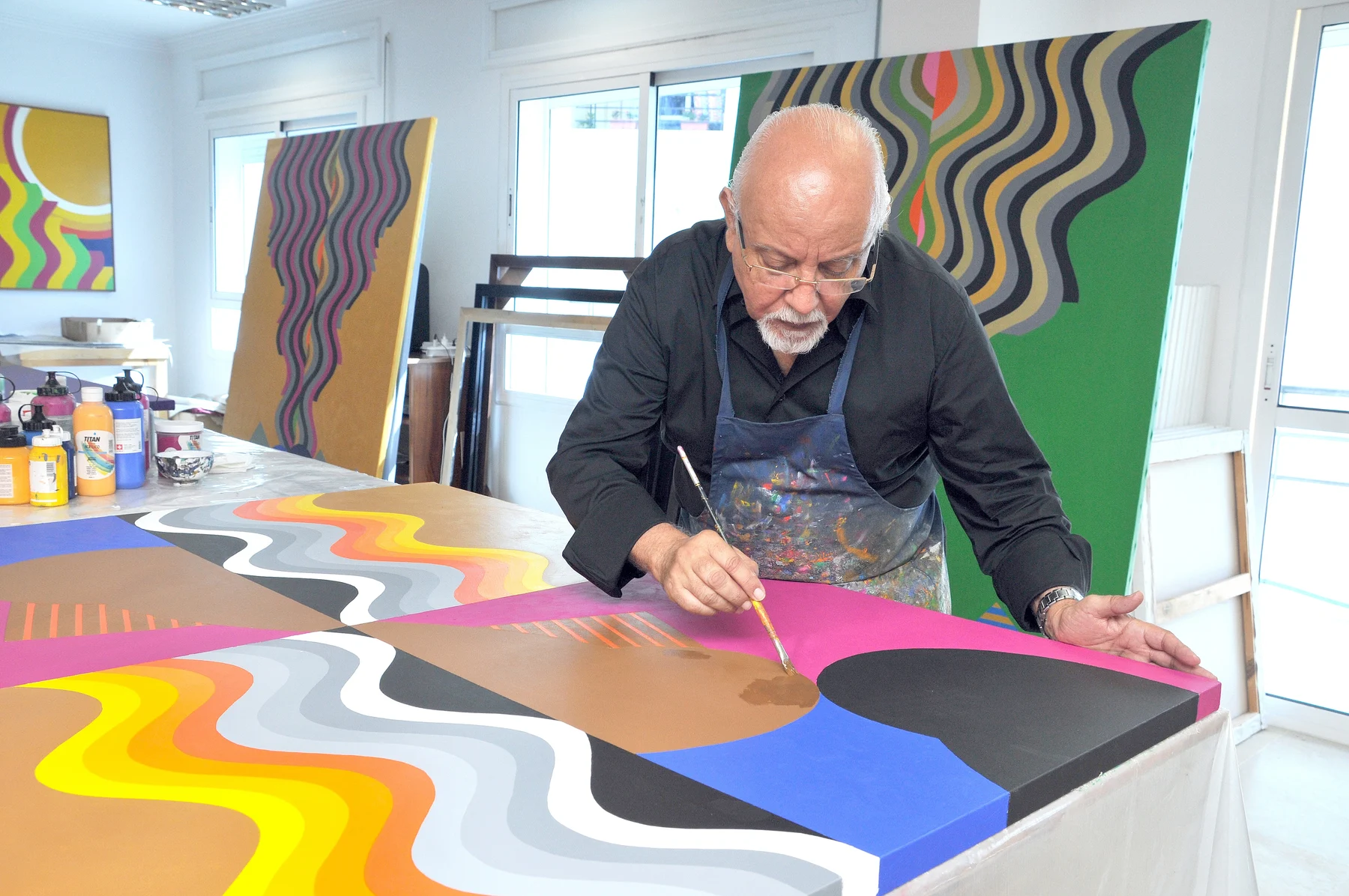
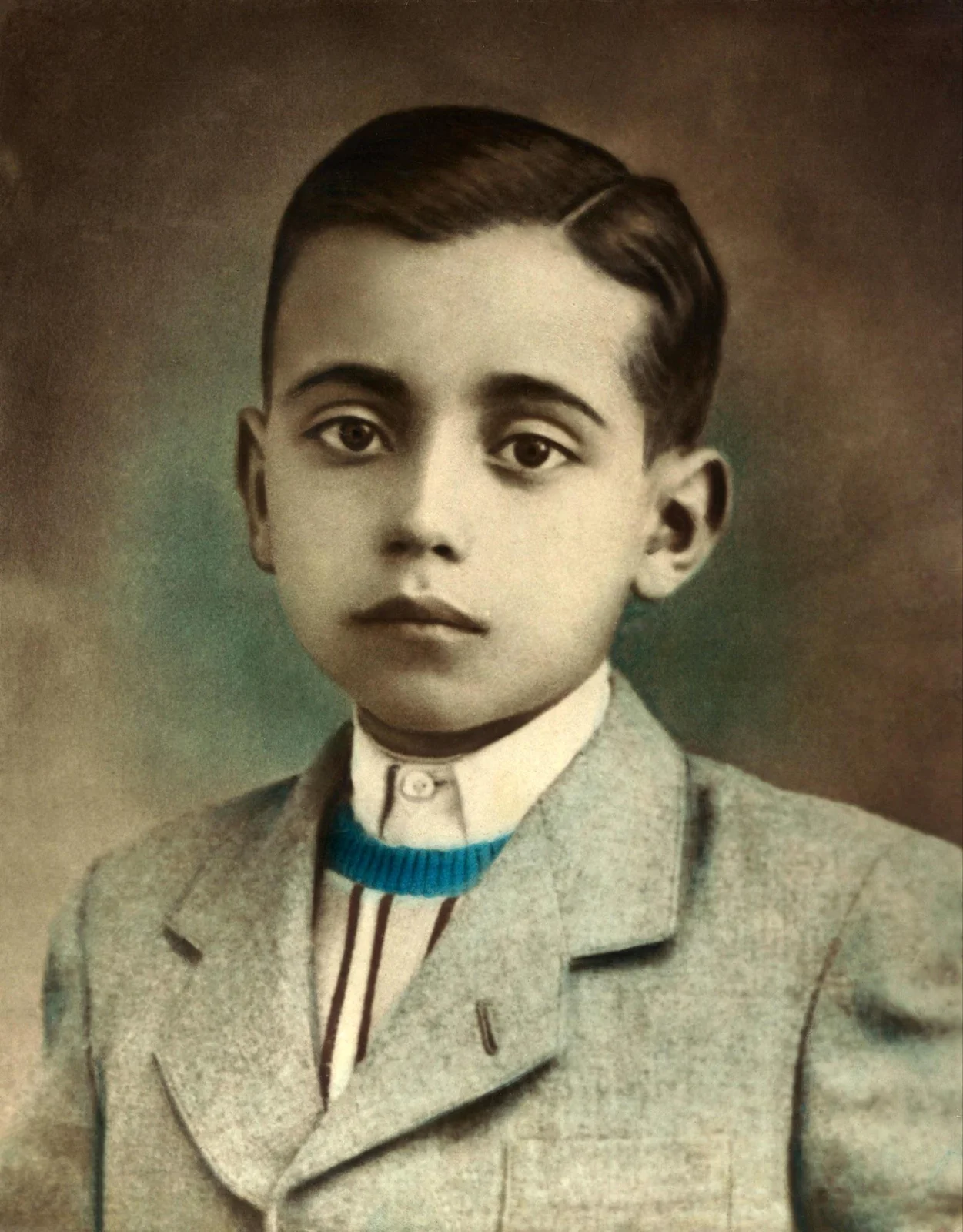
Born in Asilah, a small port city in northern Morocco near Tangier, Melehi grows up in a context marked by the coexistence of different cultures and political influences. His education is shaped both by the traditional teachings of the Quranic school and by the Hispanic culture present in the region at the time. This dual influence fosters in him, from an early age, a particular sensitivity to questions of cultural identity and openness to the outside world.
Between 1953 and 1955, he begins his artistic training at the Preparatory School of Fine Arts in Tétouan. There he acquires the foundations of pictorial language within an academic framework, while discovering the cultural vibrancy of Tangier and its cosmopolitan artistic environment.
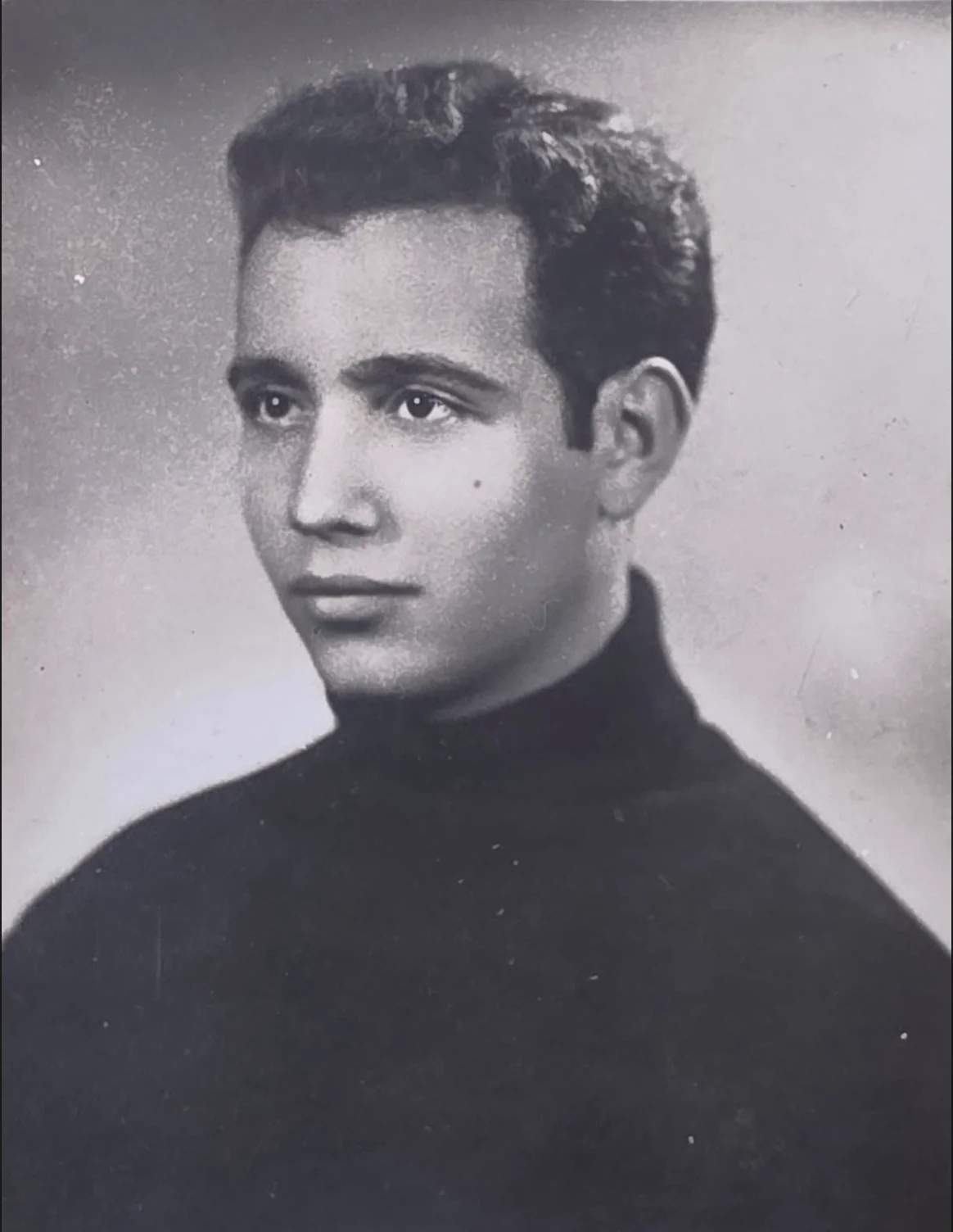
In 1955, he receives a scholarship that allows him to continue his studies in Spain, first in Seville and then in Madrid. During this period, he becomes acquainted with the explorations of European abstraction and discovers the works of artists associated with the El Paso group as well as the developments of American Abstract Expressionism.
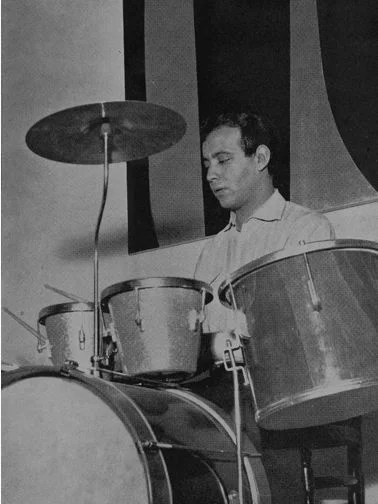
In 1957, Melehi continues his training in Italy, at the Rome Art Institute and then at the Academy of Fine Arts. His time in Rome is a decisive stage in the evolution of his artistic practice. He encounters the research of the Italian avant-garde and becomes closely engaged with the plastic experiments of artists such as Alberto Burri, Lucio Fontana, and Giulio Turcato. These influences lead him to explore the possibilities of abstraction and new relationships between form, material, and space.
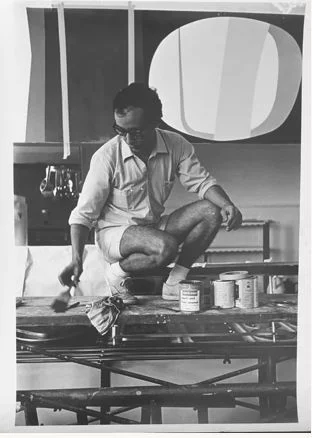
In the early 1960s, Melehi continues his journey in the United States. In 1962, he teaches painting at the Minneapolis School of Art before settling in New York thanks to a Rockefeller Foundation grant. He also takes art history courses at Columbia University. This American experience brings him into direct contact with the New York art scene, then in full expansion, and helps steer his work toward a structured geometric abstraction.
It is during this period that the formal vocabulary that will come to define his work gradually takes shape, notably the emergence of the undulating line or "wave" — a motif that will become emblematic of his artistic practice. This dynamic form introduces into his compositions a visual rhythm based on vibration, movement, and the energy of colour.
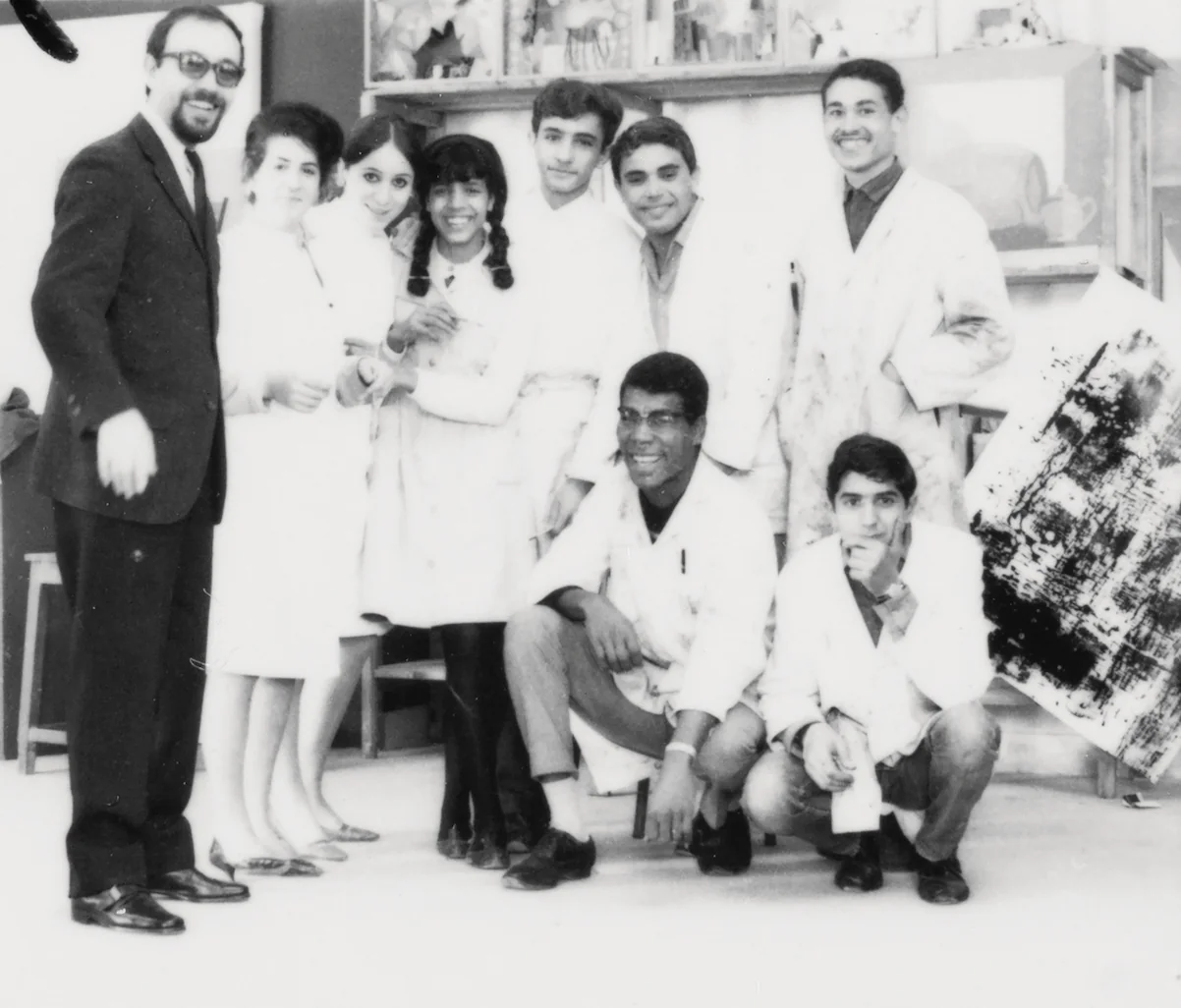
In 1964, Melehi decides to return to Morocco with the determination to contribute to the artistic and cultural development of his country. He joins the School of Fine Arts in Casablanca alongside Farid Belkahia and Mohamed Chabâa. Together, they undertake a profound reform of art education, seeking to move beyond the academic models inherited from colonialism.
Inspired in particular by the spirit of the Bauhaus, Melehi champions an interdisciplinary approach to art that encourages dialogue between contemporary creation, traditional craftsmanship, and Moroccan visual culture. This thinking contributes to the emergence of what will later be called the "Casablanca School," a major artistic movement in the history of Moroccan modern art.
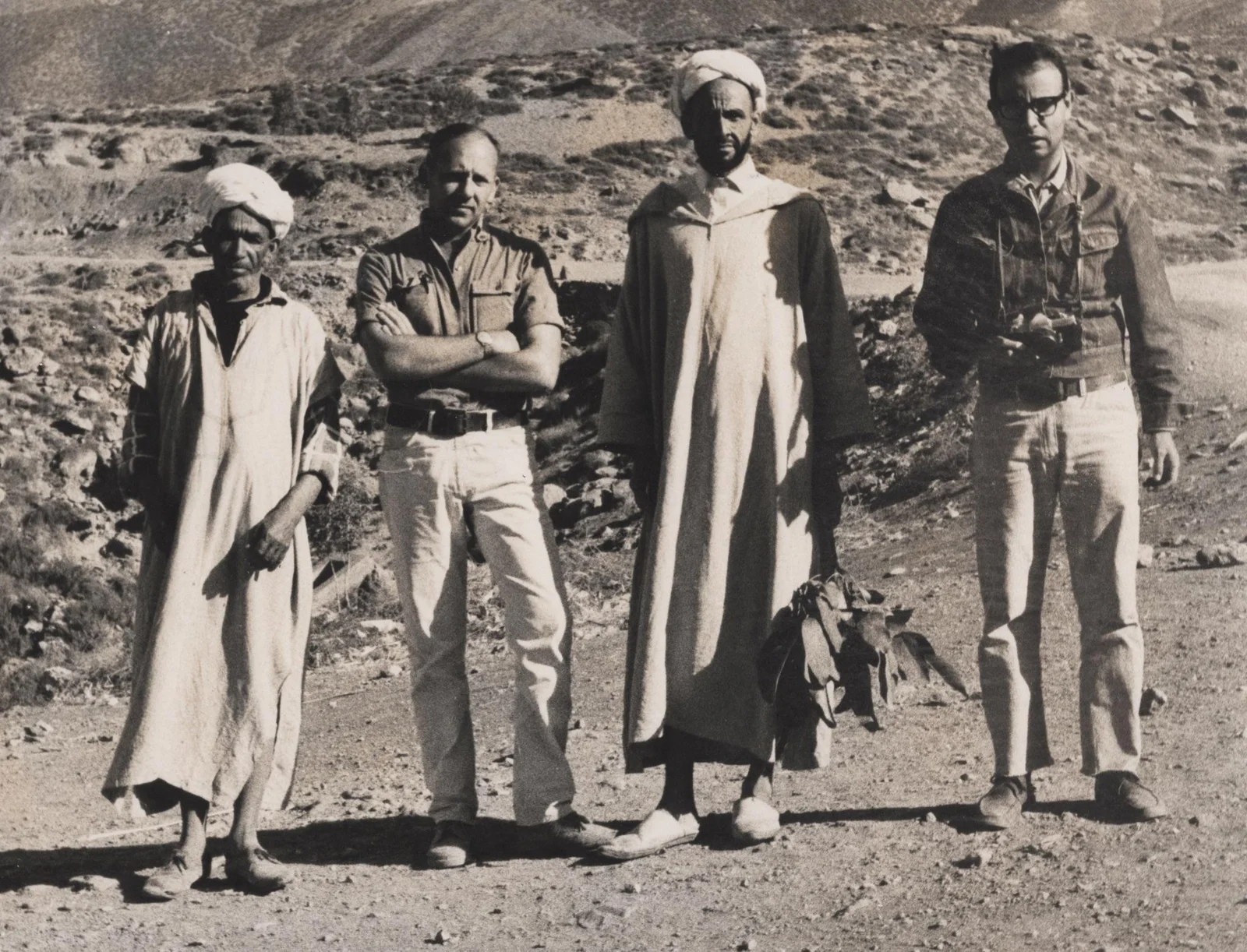
From the mid-1960s, Melehi travels repeatedly into the Atlas and the Moroccan south alongside the art historian Toni Maraini and the researcher Bert Flint. These journeys are conceived as fieldwork: documenting carpets, jewellery, painted ceilings, tattoos and vernacular architecture, and treating these traditions not as folklore but as a living visual language with its own rigour and modernity. What they gather feeds directly into the teaching at the Casablanca School, where craft and popular art are placed on equal footing with the European canon.
The same conviction carries Melehi's work out of the studio and into the built environment. Working with the architects Abdeslam Faraoui and Patrice de Mazières, he produces murals and integrated artworks for public and civic buildings across Morocco — an insistence that art belongs in shared space, addressed to everyone, rather than confined to galleries.
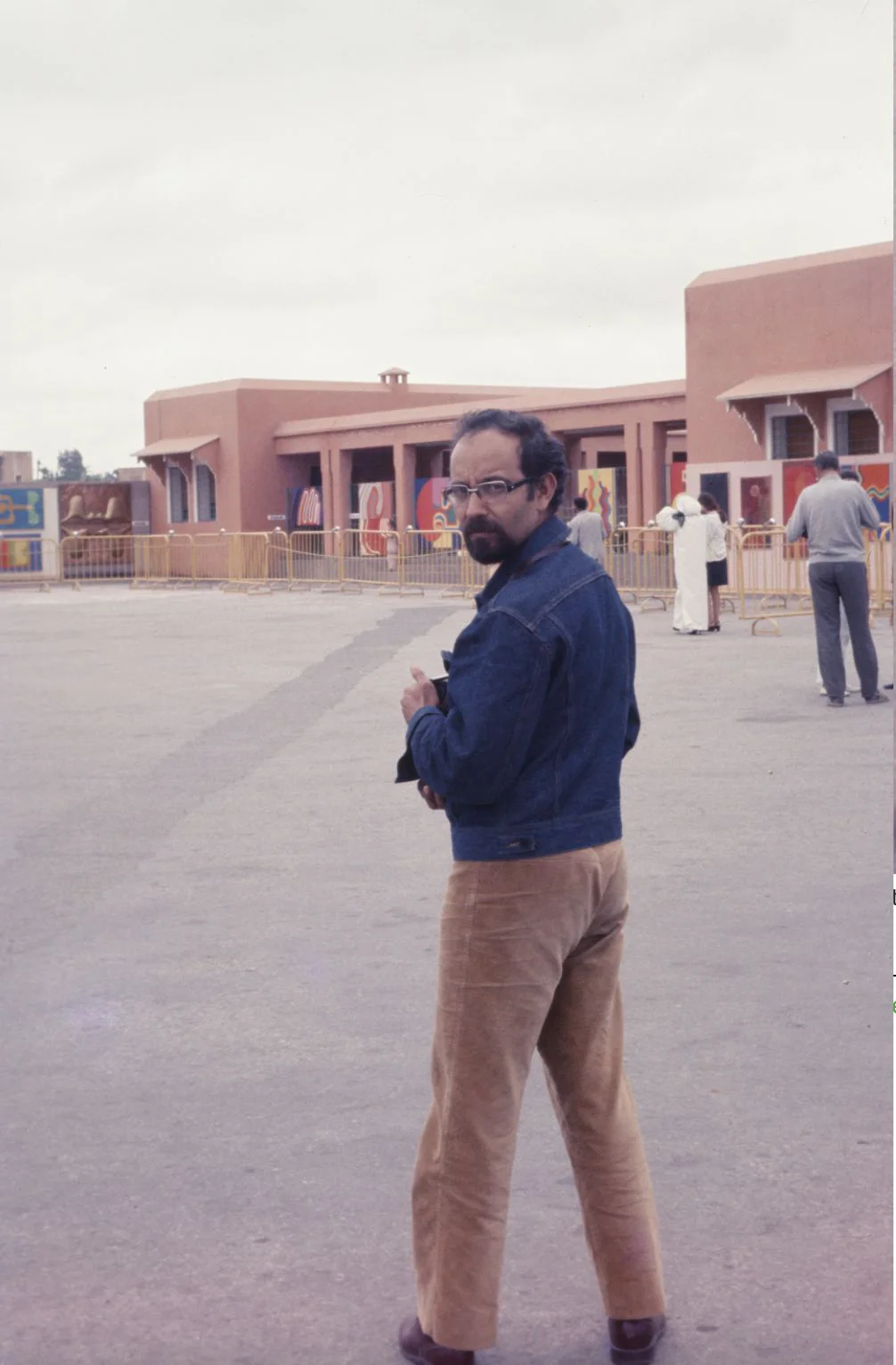
In May 1969, Melehi, together with Farid Belkahia, Mohamed Chabâa and their colleagues, hang their paintings on the walls of Jemaa el-Fna square in Marrakech, during the national Festival of Popular Arts. Refusing the closed circuit of galleries and institutions, the exhibition brings contemporary Moroccan painting directly to the passers-by, merchants and storytellers of the square.
The gesture becomes one of the founding moments of Moroccan modernism: an argument, made in public and without commentary, that abstraction is not an import but a language already present in Moroccan visual culture, and that its natural audience is the street.
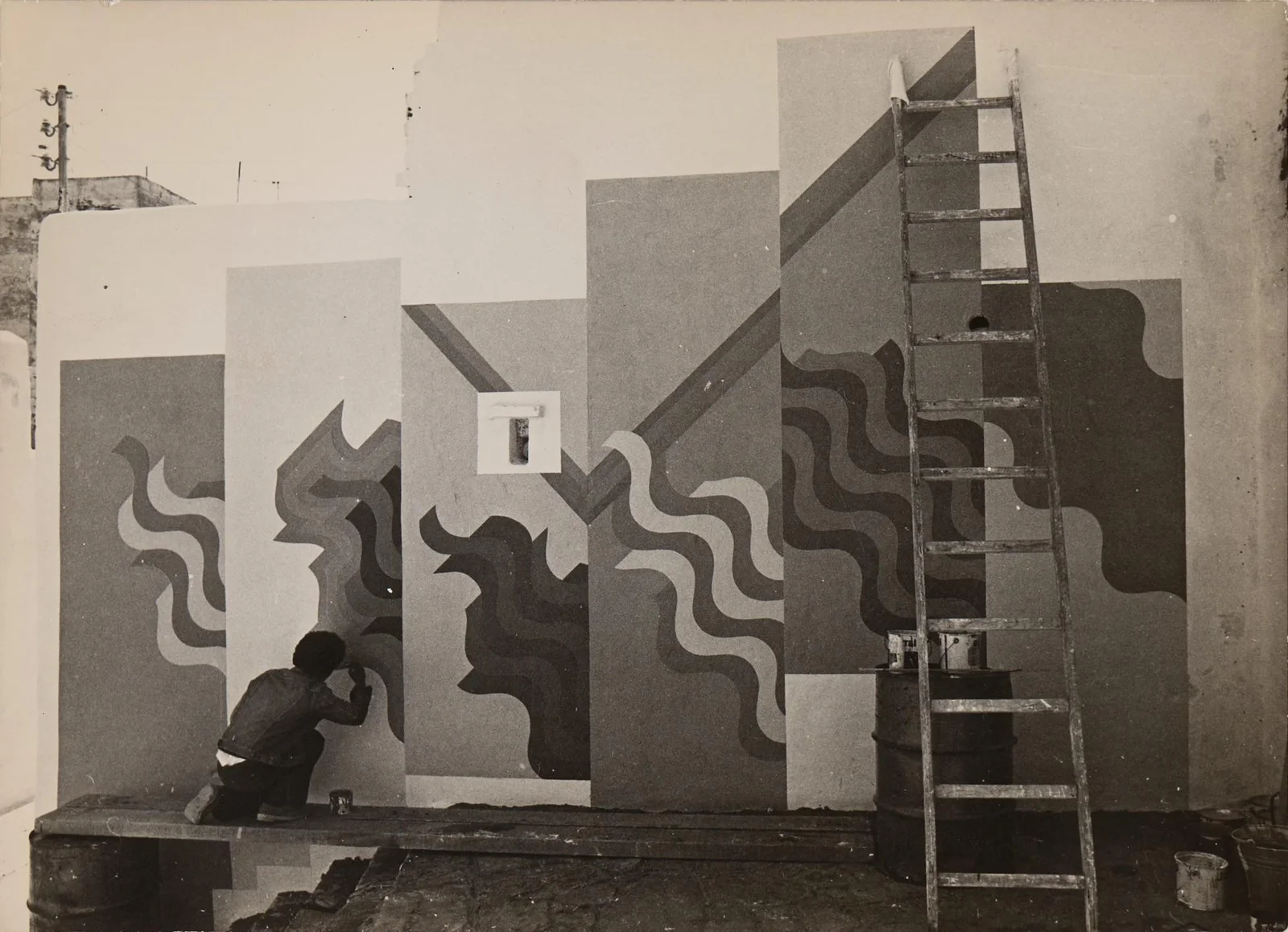
In parallel with his artistic practice, Melehi develops numerous cultural initiatives. In 1978, with Mohamed Benaïssa, he co-founds the Asilah Cultural Festival, an international event that helps establish the city as a major site for artistic creation and exchange.
Each summer, artists invited from Morocco, the Arab world, Africa, Europe and the Americas paint murals directly onto the whitewashed walls of the medina, to be covered over and renewed the following year — a festival conceived as a working encounter rather than a spectacle. Melehi shapes its visual identity, from the posters to the mural program, and drives the wider restoration of the medina alongside it. That rehabilitation, overseen by the Association Culturelle Al-Mouhit, receives the Aga Khan Award for Architecture in 1989.
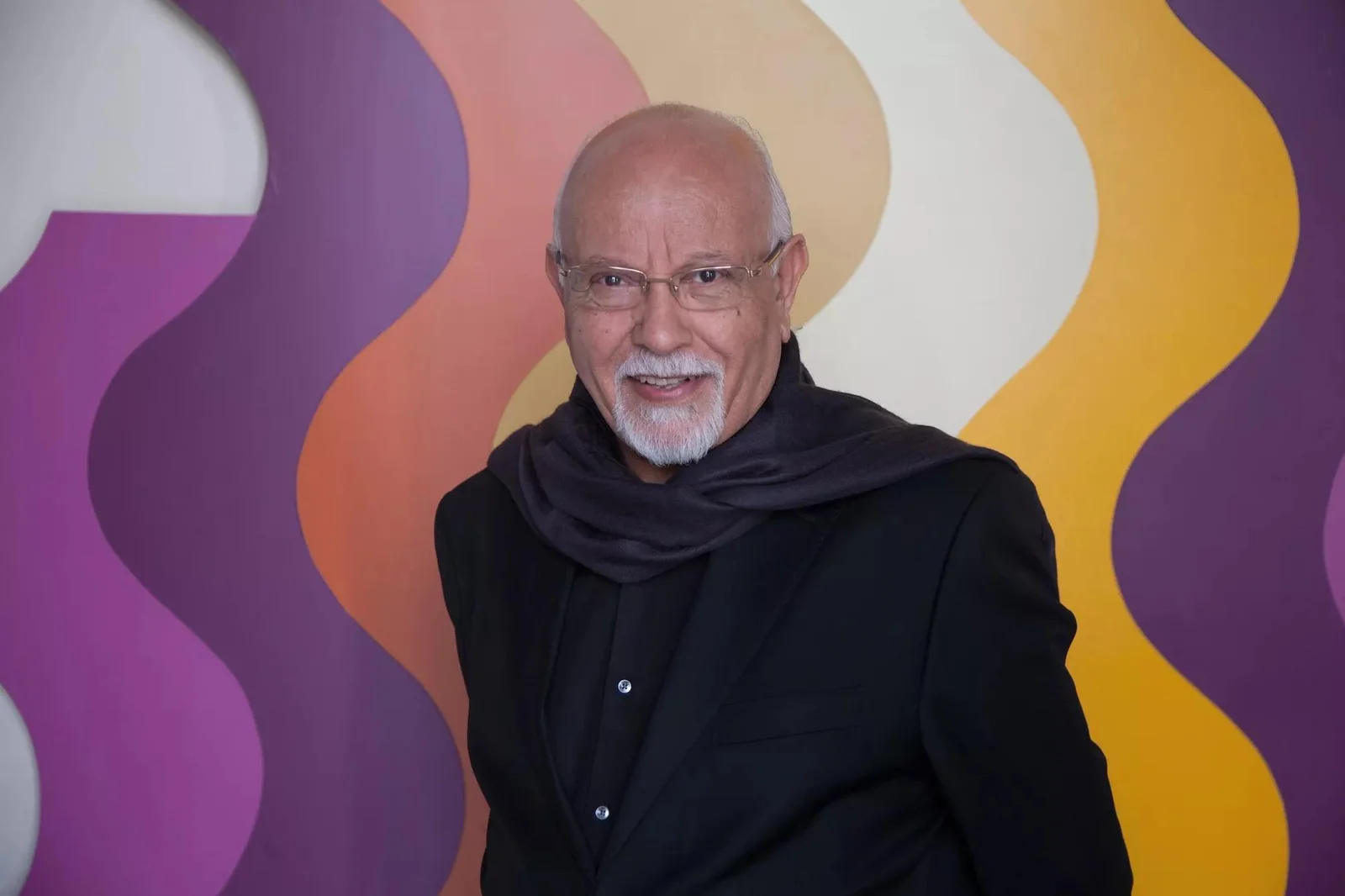
From the early 1990s until his death in 2020, Melehi lives and works between his studios in Marrakech and Tangier. He serves as President of the Association Marocaine des Arts Plastiques from 1976 to 1982 and again from 2008 to 2020, and is awarded the Order of Merit by HRH King Mohammed VI in 2008.
His work is exhibited widely in Morocco and abroad, particularly in Europe and the United States, as well as in several major international events. Today it is recognised as a major contribution to the history of modern art in Morocco and the Arab world.
Through his practice and his intellectual engagement, Mohamed Melehi helps rethink the relationships between artistic modernity, cultural identity and public space. His legacy continues to inspire artists, researchers and cultural institutions in Morocco and internationally.
The wave is force, strength of sensuality; it is water, it is fire. If you look through traditional African art, there is always a wave. I took the wave many years ago as my alphabetical tool. I use it in the way I wish to, and I wander through it.
MELEHI — Artwork Legacy / Œuvre en héritage
Musée Mohammed VI d'Art Moderne et Contemporain, Rabat
New Waves
Concrete, Alserkal Avenue, Dubai
New Waves
MACAAL, Marrakech
New Waves: Mohamed Melehi and the Casablanca Art School
The Mosaic Rooms, London
Similitudes
Loft Art Gallery, Casablanca, Morocco
Melehi, Hymne au climat
Loft Art Gallery, Casablanca, Morocco
Loft Art Gallery, Casablanca, Morocco
Art Paris Art Fair, Solo Show
Grand Palais, France
Art Dubai, Section moderne
United Arab Emirates
Quelques arbres de l'Antiquité
Loft Art Gallery, Casablanca, Morocco
Meem Gallery, Dubai, United Arab Emirates
Loft Art Gallery, Casablanca, Morocco
Fondation NIEBLA, Casavells, Spain
Estampes, Création plurielles
Institut français, Rabat, Morocco
Galerie Venise Cadre, Casablanca, Morocco
Galerie Bab Rouah, Rabat, Morocco
Roshan Fine Arts Gallery, Jeddah, Saudi Arabia
Cairo Biennale, Egypt
Rétrospective à l'IMA
Paris, France
The World Bank, Washington D.C., United States
Duke University Gallery, Durham, North Carolina, United States
The Bronx Museum of the Arts, New York, United States
Galerie Alkasabah, Asilah, Morocco
Galerie Nadar, Casablanca, Morocco
Galerie Nadar, Casablanca, Morocco
Sultan Gallery, Kuwait
Galerie de L'atelier, Rabat, Morocco
Pecanins Gallery, Mexico City, Mexico
Solo exhibitions in Casablanca and Rabat: Galerie Nationale Bab Rouah, Rabat; Galerie municipale, Casablanca, Morocco
Professor of Painting, Sculpture and Photography at the École des Beaux-Arts, Casablanca, Morocco
Solo exhibition at the Little Gallery, The Minneapolis Institute of Art, Minneapolis, United States
Rockefeller Foundation Fellowship, New York, United States
5 Künstler aus Rom
Galerie S. Bollag, Zurich, Switzerland
Assistant Professor of Painting, Minneapolis School of Art, Minneapolis, Minnesota, United States
Galleria Trastevere di Topazia Alliata, Rome, Italy
Contemporary Italian Art
Illinois Institute of Technology and Design, Chicago, United States
Solo exhibitions, Galerie de T. Alliata, Rome, Italy
Academy of Fine Arts, Seville. Madrid. Rome. Paris
36th Bienal de São Paulo
The Casablanca Art School
Tate St Ives; Sharjah Art Foundation; Schirn Kunsthalle Frankfurt
Musée imaginaire
Art Holding Morocco, former Bank Al-Maghrib agency, Place Jamaâ El Fna, Marrakech
That feverish leap into the fierceness of life
Art Dubai, MiSK Art Institute, Dubai, United Arab Emirates
Marrakech Biennale 6
Morocco
Loft Art Gallery, Casablanca, Morocco
Zoom sur les années 60
Loft Art Gallery pays tribute to Mohamed Melehi in its book — Morocco
Noir & Blanc
Loft Art Gallery, Casablanca, Morocco
Marrakech Art fair ; Sculptures
galerie Arcanes, Morocco
Corps et Figure des Corps
Société Générale, Casablanca, Morocco
Signes et paysages
Loft Art Gallery, Casablanca, Morocco
Fondation Mohammed VI, Rabat, Morocco
Alexandria Biennale, Egypt
Retrospective at the Institut du Monde Arabe, Paris, France
Peintres marocains à Madrid
galerie Conde Duque, Madrid, Spain
Présences artistiques du Maroc
Brussels, Ostend and Liège, Belgium
19th São Paulo Biennial, Brazil
Melehi, Recent paintings
the Bronx Museum of the Arts, New York, United States
National Museum of Modern Art, Baghdad, Iraq
Alcuni Artisti Arabi
Galleria Il Canovaccio, Rome, Italy
Arts Plastiques
Galerie Bab Rouah, Rabat, Morocco
Galerie Cotta, Tangier, Morocco
Young Artists from around the world
Union Carbide Building, New York, United States
Exposition-Manifeste
Jemaa el-Fnaa Square, Marrakech
Hall of the Théâtre Mohammed V, Rabat, Morocco
Festival d'Art Nègre, Dakar, Senegal
The Museum of Modern Art, New York
Bertha Schaefer Gallery, New York, United States
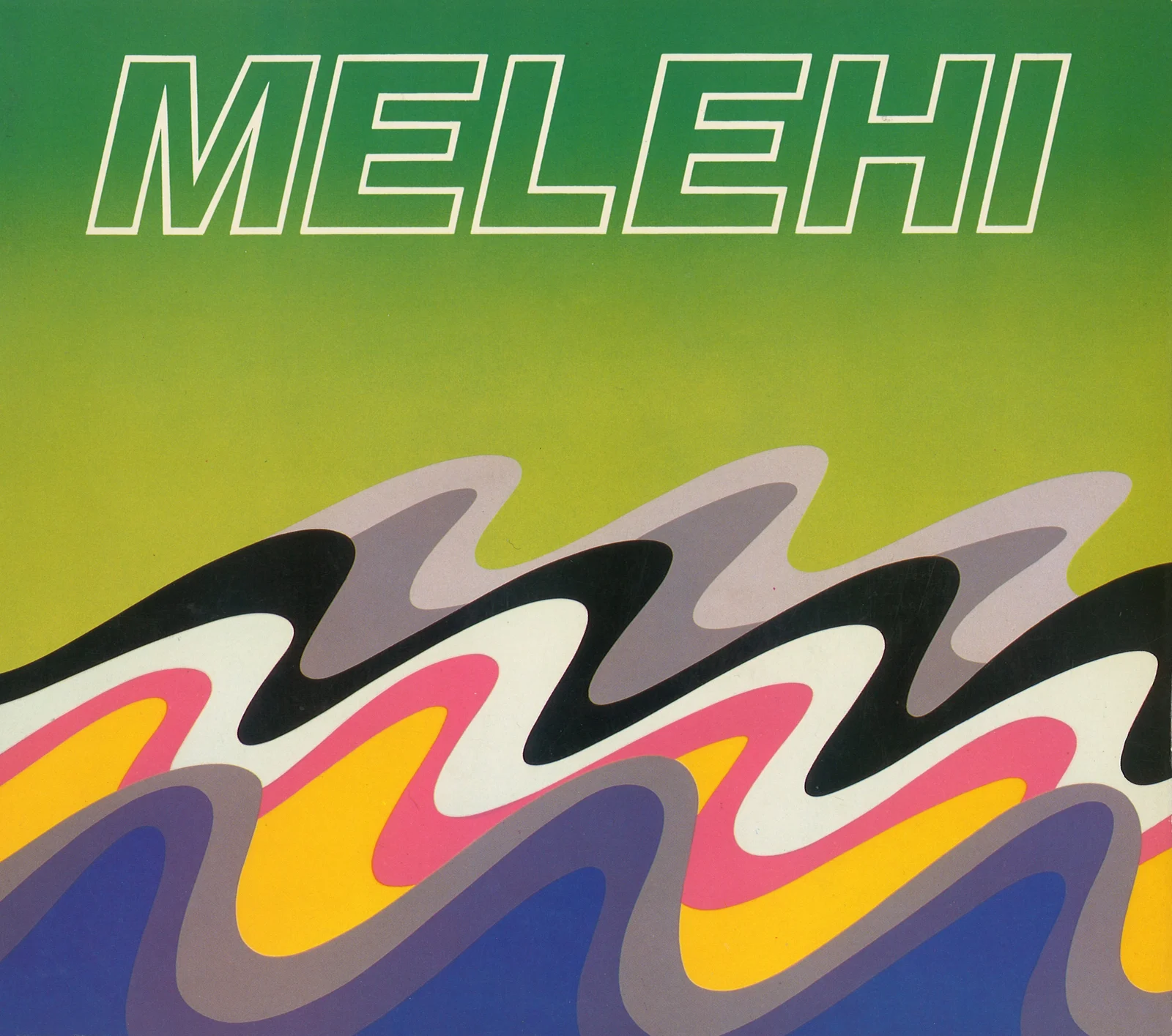 Toni Maraini, Lucio Pozzi, Michael Florescu
Melehi: Recent Paintings
The Bronx Museum of the Arts, New York, 1984
Melehi
Institut du Monde Arabe, Paris, 1995
 Mohamed Melehi
bauhaus imaginista, 2019
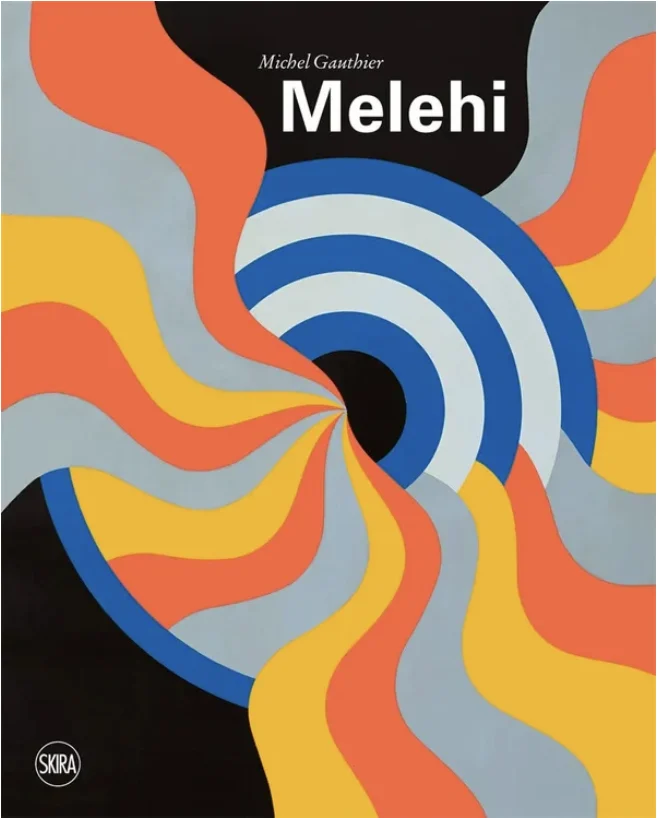 Michel Gauthier
Mohamed Melehi
Skira, 2019
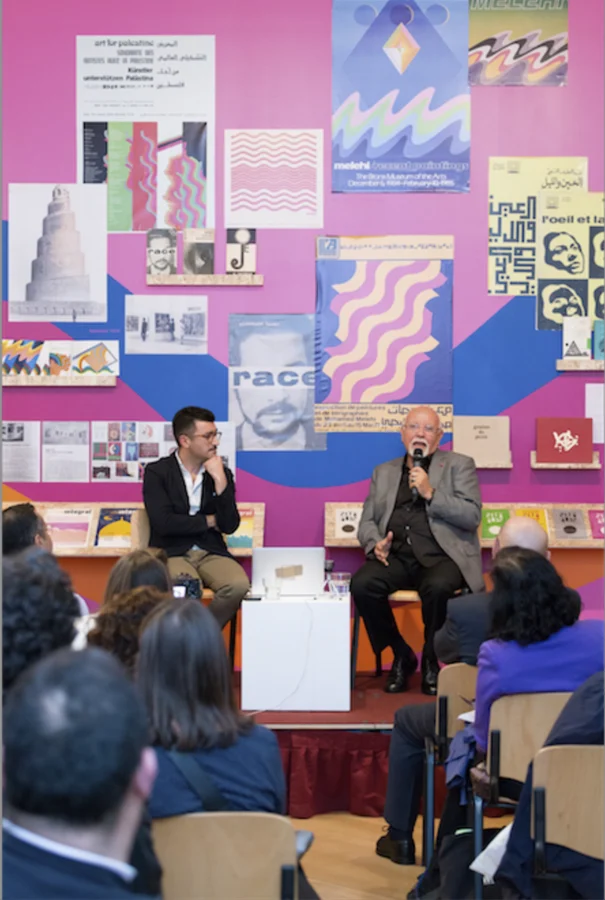
Mohamed Melehi in conversation with Morad Montazami
Third Text, 2019
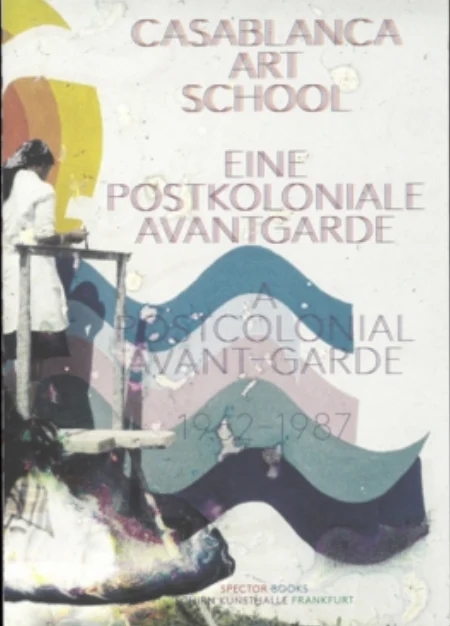 Morad Montazami, Madeleine de Colnet, Esther Schlicht (eds.)
Casablanca Art School: A Postcolonial Avant-Garde 1962–1987
Spector Books, 2024
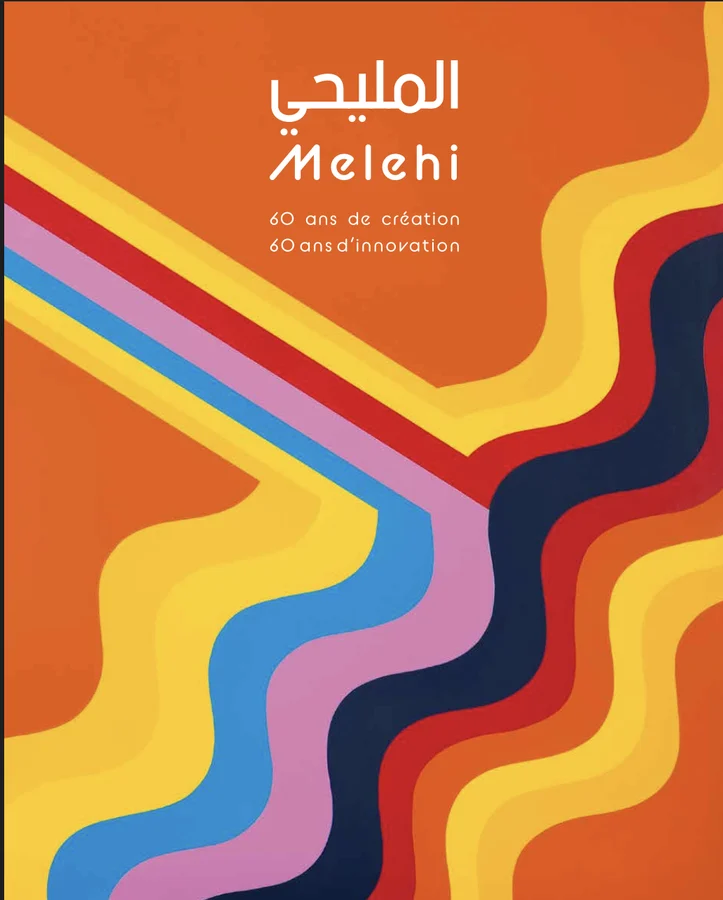
المليحي / Melehi — 60 ans de création, 60 ans d'innovation
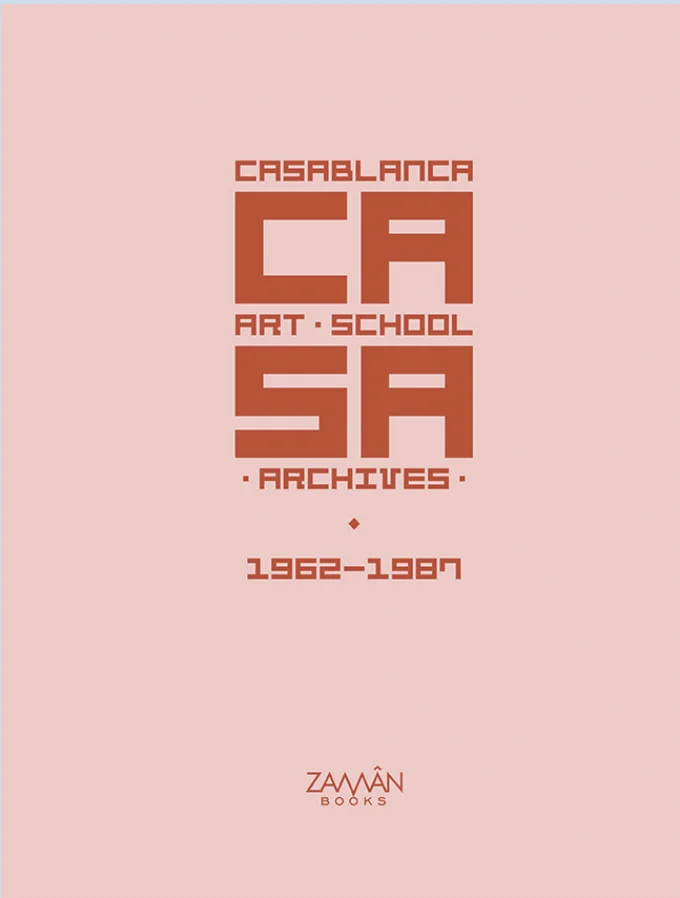
Casablanca Art School Archives
Zamân Books & Curating